TUNISIA
Tunisia forms the meeting point between North Africa’s Saharan interior and the Mediterranean world. Overex travels here for its compressed geography — where coastal plains, salt flats, and desert routes intersect within a relatively compact landscape. This is controlled desert travel shaped by trade, empire, and transition zones.

TUNISIA
TRAVEL SNAPSHOT
TERRITORRY
- • REGION: North Africa
- • CAPITAL CITY: Tunis
- • LANDSCAPE: Mediterranean coastline, steppe plains, salt flats, Sahara desert
- • ALTITUDE RANGE: Sea level – 1,544 m (Jebel ech Chambi)
- • CLIMATE: Mediterranean north, arid south
- • POPULATION DENSITY: Moderate (low in southern desert regions)
- • OFFICIAL LANGUAGE(S): Arabic
- • LOCAL CURRENCY: Tunisian Dinar
EXPEDITION PROFILE
- • BEST SEASON: October – April
- • REMOTENESS: Moderate (higher in southern Sahara zones)
- • DRIVING CONDITIONS:Desert tracks, salt flats, paved corridors
- • PACE OF TRAVEL: Moderate
- • TRAVEL STYLE: Pioneer Tours / Leader Tours / Expeditions
- • DIFFICULTY: Moderate
- • LOCAL INTERACTION LEVEL: High
- • ELECTRICITY: 230V
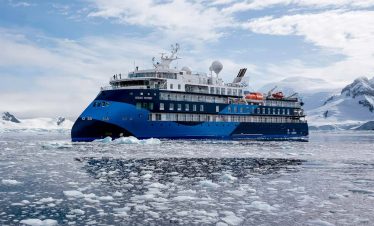
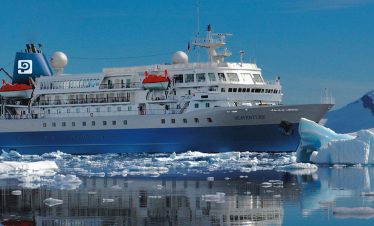
Antarctic Peninsula
OVEREX LATITUDE SERIES 2026 PARAMARIBO → IQUIQUE
EXPEDITION CONTEXT
• Northern extension of Saharan trade networks
• Roman and Phoenician coastal corridors
• Chott salt flats shaping interior routes
• Desert gateway toward deeper Saharan systems
• Strategic Mediterranean positioning
FIELD NOTES
• Sand driving required in southern regions
• Seasonal heat extreme outside winter months
• Fuel planning advised beyond main highways
• Desert navigation necessary in remote areas
• Cultural awareness important in conservative rural regions