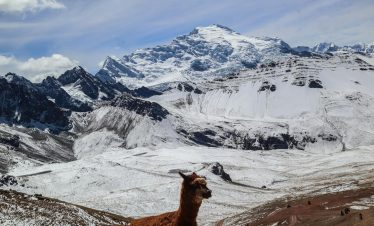
High plateau. Thin air. Enduring silence.
Tibetan Plateau
ASIA
The Tibetan Plateau rises above much of Asia, defined by elevation, vast horizons, and a rhythm shaped by altitude. Overex travels here for the exposure — long distances above 4,000 meters where terrain and culture are inseparable. This is high-altitude travel at its most elemental.

TIBET
One of the world’s largest and highest plateaus
TIBET
TRAVEL SNAPSHOT
ASIA
TERRITORRY
TIBET
- • REGION: Tibetan Plateau (Western China)
- • ADMINISTRATIVE CENTER: Lhasa
- • LANDSCAPE: High plateau, glaciated peaks, salt lakes, vast open plains
- • ALTITUDE RANGE: 3,000 m – 8,848 m (Everest north side)
- • CLIMATE: Alpine — cold, dry, intense UV exposure
- • POPULATION DENSITY: Very low
- • OFFICIAL LANGUAGE(S): Tibetan
- • LOCAL CURRENCY: Renminbi (Yuan)
EXPEDITION PROFILE
TIBET
- • BEST SEASON: May – September
- • REMOTENESS: Very High
- • DRIVING CONDITIONS: High-altitude highways, gravel tracks
- • PACE OF TRAVEL: Moderate to Slow (acclimatisation essential)
- • TRAVEL STYLE: Leader Tours / Expeditions
- • DIFFICULTY: Moderate–Hard (due to altitude)
- • LOCAL INTERACTION LEVEL: Moderate
- • ELECTRICITY: 220V
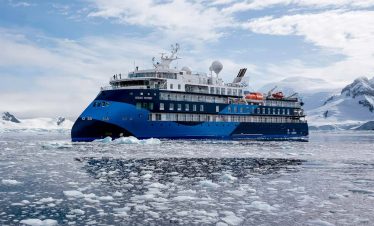
Antarctic Peninsula
Duration
11 Days
Difficulty
Accessible
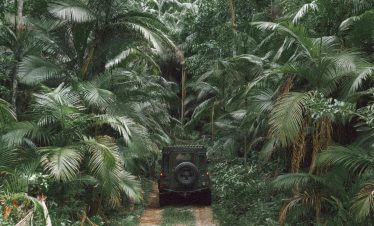
OVEREX LATITUDE SERIES 2026 PARAMARIBO → IQUIQUE
Duration
50 Days
Difficulty
Demanding
EXPEDITION CONTEXT
• Source region for major Asian river systems
• Historic caravan routes linking Nepal, India, and Central Asia
• Cultural landscape shaped by high-altitude monastic traditions
• Extreme elevation influencing all travel patterns
FIELD NOTES
• Special travel permits mandatory
• Altitude acclimatisation critical
• Strict travel regulations and route limitations
• Limited services outside main towns
• Weather conditions change rapidly at elevation