MADAGASCAR
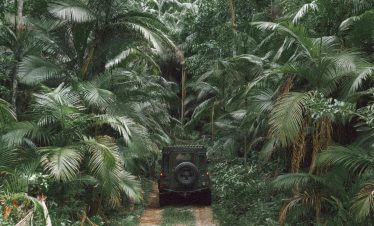
Madagascar stands apart from mainland Africa — geographically, ecologically, and culturally. Overex travels here for its isolation and its varied terrain, where laterite tracks cut through highlands, forests, and remote coastal regions. This is expedition travel shaped by remoteness and resilience — an island continent in miniature.

MADAGASCAR
TRAVEL SNAPSHOT
TERRITORRY
- • REGION: Indian Ocean (off East Africa)
- • CAPITAL CITY: Antananarivo
- • LANDSCAPE: Highlands, tropical forests, dry spiny desert, coastline
- • ALTITUDE RANGE: Sea level – 2,876 m (Maromokotro)
- • CLIMATE: Tropical — wet and dry seasons
- • POPULATION DENSITY: Moderate (low in remote regions)
- • OFFICIAL LANGUAGE(S): Malagasy / French
- • LOCAL CURRENCY: Malagasy Ariary
EXPEDITION PROFILE
- • BEST SEASON: April – November
- • REMOTENESS: High (especially outside main cities)
- • DRIVING CONDITIONS: Laterite tracks, river crossings, degraded roads
- • PACE OF TRAVEL: Moderate to slow
- • TRAVEL STYLE: Pioneer Tours / Leader Tours / Expeditions
- • DIFFICULTY: Moderate – Hard (route dependent)
- • LOCAL INTERACTION LEVEL: High
- • ELECTRICITY: 220V
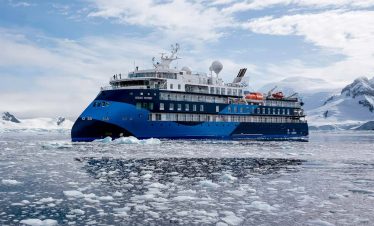
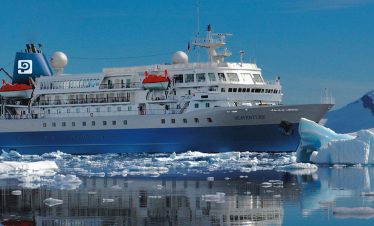
Antarctic Peninsula
OVEREX LATITUDE SERIES 2026 PARAMARIBO → IQUIQUE
EXPEDITION CONTEXT
• Fourth-largest island in the world
• Unique ecosystems found nowhere else on Earth
• Long isolation shaping biodiversity and culture
• Distinct regional terrain contrasts across the island
• Remote coastal and inland corridors
FIELD NOTES
• Road conditions can deteriorate rapidly after rain
• River crossings common on remote routes
• Vehicle durability essential on rough laterite tracks
• Limited infrastructure outside major towns
• Seasonal cyclones impact coastal regions