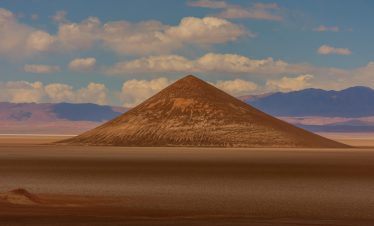
The Sahara is not a country — it is a system. A vast desert belt stretching across North Africa, shaped by wind, silence and geological time. Overex travels here for pure exposure: dune fields, dry riverbeds, rock hamada and open navigation where borders matter less than fuel range. This is not cultural travel. This is environmental commitment — distance, heat and self-sufficiency.
• Border transitions define routing options • Fuel autonomy critical in remote sectors • Permits required in selected regions • Dune navigation and convoy discipline essential • Extreme temperature management required • Satellite communication standard in deep desert
FIELD NOTES
• Sand pressure management constant • Wind reshapes dune lines overnight • Navigation relies on GPS & terrain reading • Limited mechanical support outside urban zones • Self-sufficiency mindset required • Long visual horizons — minimal reference points